
top of page

Building Engineering Capacity in Namibia

  • Writer: Brandfontein Digital
    Brandfontein Digital
  • Jan 19
  • 2 min read

Engineering capacity is not defined by qualifications alone. It is built through experience, judgement, and professional discipline developed over time. In Namibia, where infrastructure demands are growing and skills shortages remain a constraint, the ability to build and sustain engineering capacity is a national priority.

Technical knowledge matters, but it is only the starting point. Long term capacity depends on how engineers think, how they make decisions, and how responsibility is transferred across generations of professionals.


Technical Skill Is Necessary, Not Sufficient

Formal training provides engineers with the fundamentals of design, analysis, and problem solving. These skills are essential, but on their own they do not guarantee effective delivery.


Engineering capacity strengthens when technical ability is combined with:

  • Practical understanding of construction and site conditions

  • Awareness of risk, cost, and programme implications

  • The ability to adapt designs to real world constraints

Engineers who lack exposure to delivery environments often produce technically correct solutions that struggle in practice.


Professional Judgement Is Built Through Experience

Judgement develops when engineers are exposed to complexity. This includes incomplete information, competing priorities, and imperfect conditions.


Strong engineering capacity requires professionals who can:

  • Identify risk early and communicate it clearly

  • Balance performance, cost, and durability

  • Make defensible decisions under pressure

This level of judgement cannot be taught in a classroom. It is built through structured exposure to responsibility, supported by experienced leadership.


Governance and Professional Standards Matter

Capacity is not only about individuals. It is also about systems.

Professional governance ensures that engineering work is reviewed, documented, and accountable. It protects clients, communities, and the profession itself.

Strong capacity is supported by:

  • Clear internal quality control processes

  • Professional registration and ethical standards

  • Consistent documentation and decision tracking

Where governance is weak, capacity becomes dependent on individuals rather than institutions, creating long term risk.


Communication Is a Core Engineering Skill

Engineering outcomes are shaped as much by communication as by calculations. Projects involve clients, contractors, regulators, and communities, each with different priorities and levels of technical understanding.


Effective engineers:

  • Explain technical issues without unnecessary complexity

  • Communicate trade offs honestly

  • Provide clear recommendations rather than vague options

Poor communication leads to misaligned expectations, delayed decisions, and avoidable disputes.


Mentorship and Skills Transfer Are Non Negotiable

Engineering capacity does not grow automatically. It must be cultivated deliberately.

Mentorship plays a critical role in:

  • Transferring practical knowledge

  • Developing professional confidence

  • Embedding standards and discipline

Without intentional mentorship, organisations risk repeating the same mistakes and losing institutional knowledge when senior professionals exit the system.


Aligning Capacity With National Development Needs

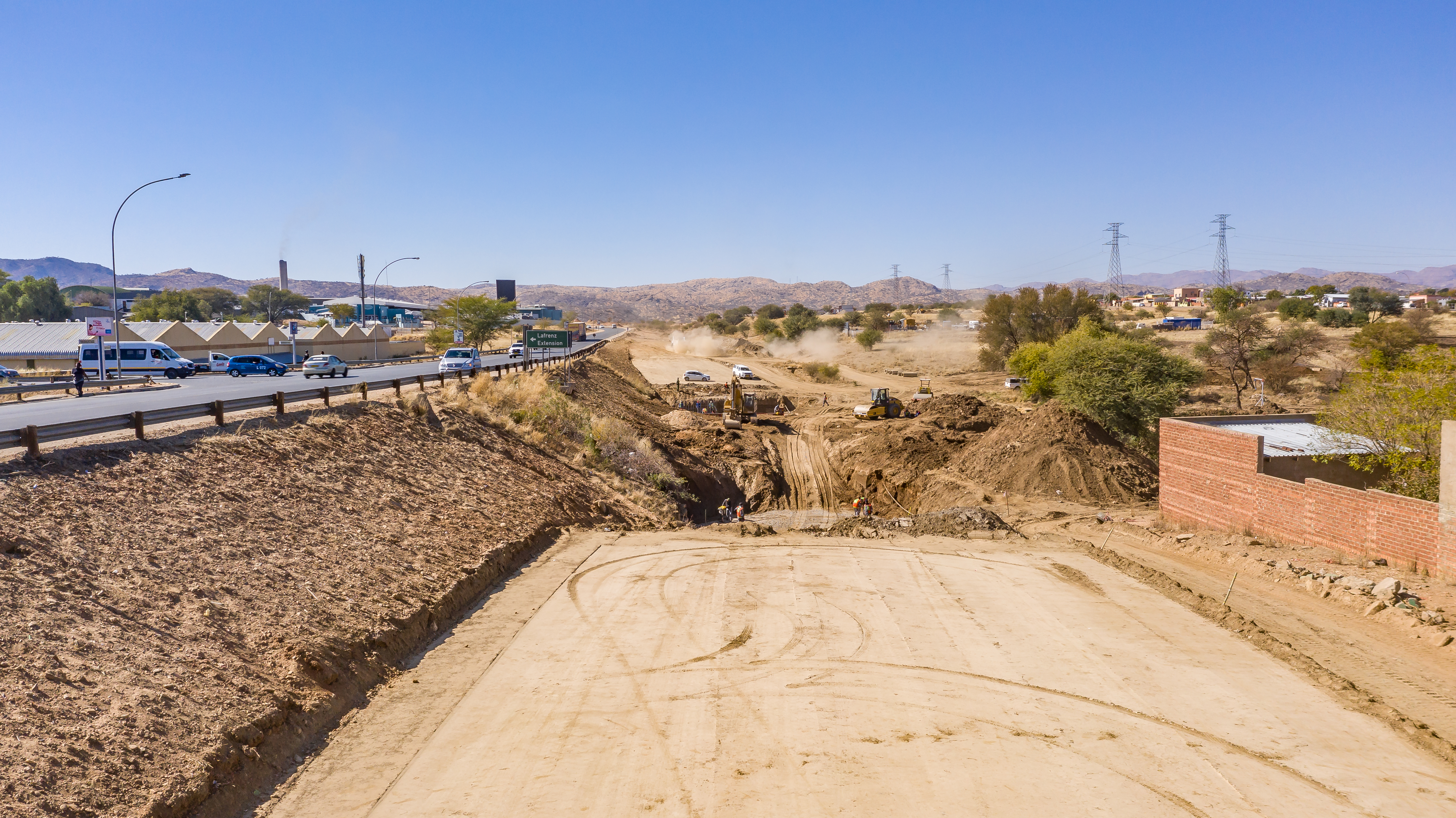
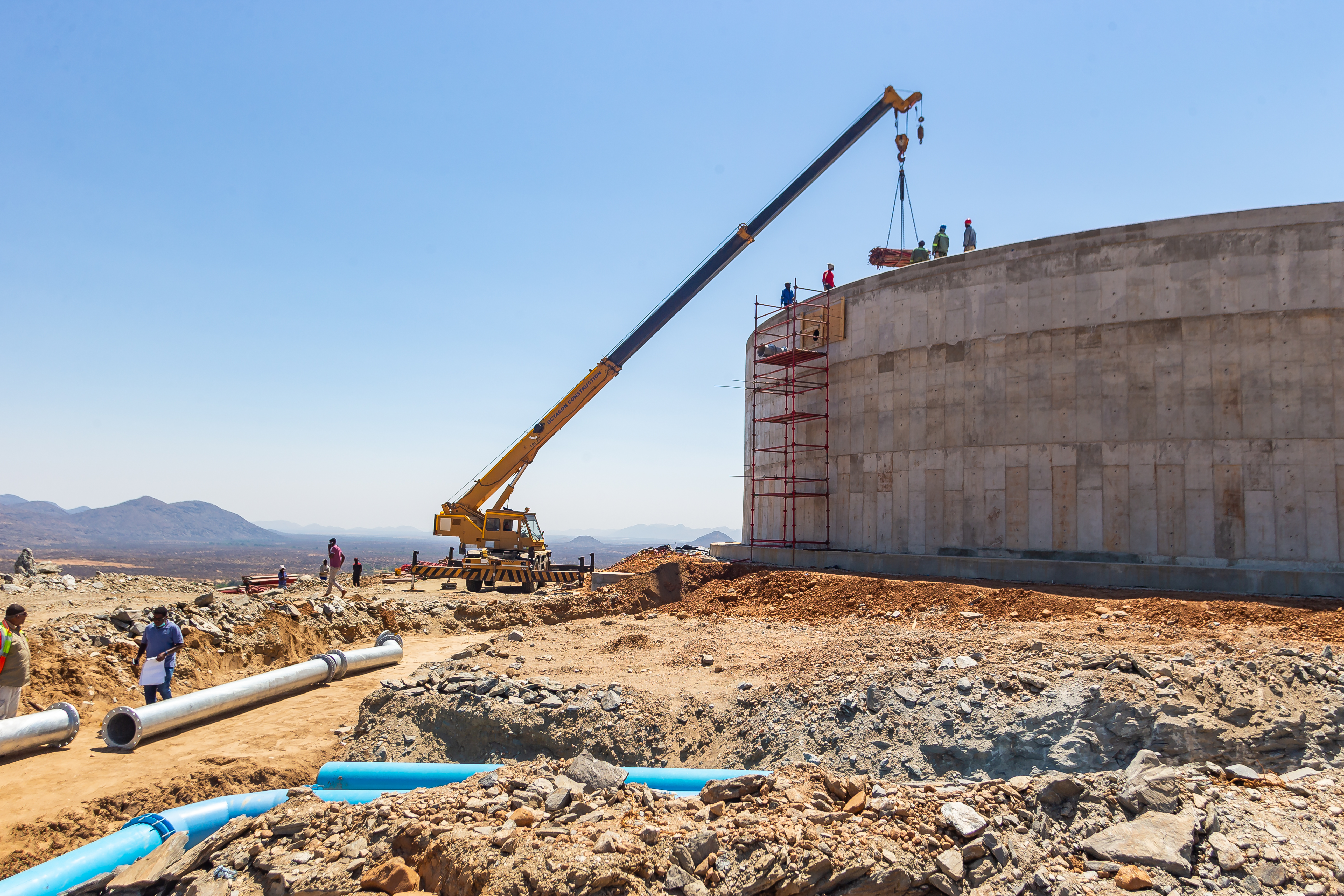
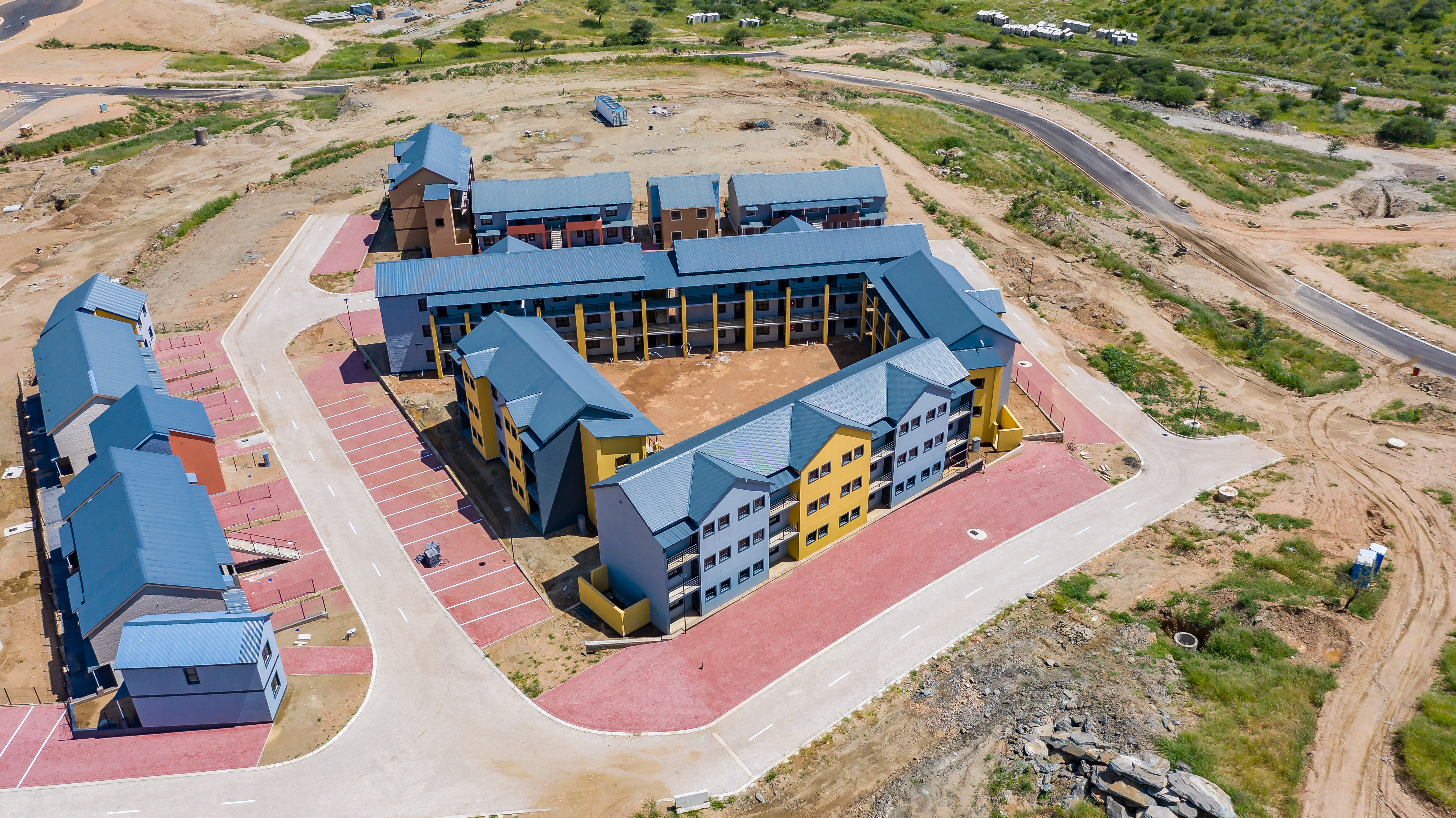
Namibia’s infrastructure priorities include transport, water, energy, housing, and municipal services. Engineering capacity must align with these needs rather than develop in isolation.


This requires:

  • Exposure to projects of national relevance

  • Collaboration between public and private sectors

  • Long term planning for skills development

Capacity that is disconnected from national demand struggles to deliver meaningful impact.


Building Capacity for the Long Term

Sustainable engineering capacity is built when technical skill, judgement, governance, and mentorship operate together. Short term solutions, such as rapid outsourcing or isolated training, do not replace the need for long term professional development.

In the Namibian context, building capacity is not only about filling roles. It is about developing professionals who can design, manage, and safeguard infrastructure that must perform for decades.

Comments


bottom of page